Understanding Auburn Laboratory Information Systems (ALIS) is key to navigating medical research in Fort Wayne-Huntington-Auburn. ALIS streamlines lab management with integrated sample tracking and data analysis, boosting efficiency and accuracy. For job seekers, familiarizing themselves with such systems aids in finding lab work while enhancing resource allocation for managers. Advanced LIS solutions like Huntington Research Labs' system are crucial for complex data management, enabling real-time input, project tracking, and inventory control. At Auburn University labs, these systems optimize productivity through efficient data, sample, and inventory management. The adaptability of ALIS across diverse institutions highlights its value in finding lab work and improving operations in Fort Wayne-Huntington-Auburn.
“Discover the power of efficient lab management with Auburn Laboratory Information Systems (ALIS). Our article explores how ALIS is transforming research and laboratory practices across diverse fields, from Fort Wayne’s scientific community to Auburn University’s cutting-edge labs.
Learn about the benefits of implementing lab management software for streamlined data tracking, improved efficiency, and enhanced collaboration in Huntington research labs. We also delve into successful case studies, showcasing real-world implementations that have revolutionized work processes.
Uncover how ALIS can help Find Lab Work in Fort Wayne-Huntington-Auburn, optimizing scientific endeavors.”
- Understanding Auburn Laboratory Information Systems
- Benefits of Lab Management Software in Fort Wayne
- Efficient Data Tracking for Huntington Research Labs
- Streamlining Processes at Auburn University Labs
- Case Studies: Successful Implementation Stories
Understanding Auburn Laboratory Information Systems

Understanding Auburn Laboratory Information Systems (ALIS) is key to navigating the complex world of medical research and lab work in Fort Wayne-Huntington-Auburn. ALIS, a robust digital platform, revolutionizes how laboratories manage their operations, from sample tracking to data analysis. By integrating various aspects of lab management into a single software solution, ALIS streamlines workflows, enhancing efficiency and accuracy in even the busiest of facilities.
For those seeking opportunities in medical research internships Huntington or considering a career as a medical laboratory assistant training Fort Wayne, familiarizing themselves with systems like ALIS is beneficial. It enables researchers to find lab work tailored to their skills and interests, while also providing lab managers with tools to optimize resource allocation and improve overall lab performance.
Benefits of Lab Management Software in Fort Wayne

In Fort Wayne, the adoption of Lab Management Software offers numerous advantages for scientific and medical research facilities, especially those involved in genetic testing centers in Auburn or looking to fill researcher positions in Huntington, Indiana. This technology streamlines processes that were once manual and time-consuming, enhancing efficiency across the board. With features like automated data recording, secure digital record-keeping, and real-time results tracking, researchers can save precious time and focus more on their core duties.
Moreover, this software enables better inventory management for laboratory equipment suppliers in Fort Wayne, ensuring critical resources are always readily available. It also facilitates collaboration among teams, even those distributed across different locations, which is especially beneficial for complex research projects. By leveraging Lab Management Software, Fort Wayne’s scientific community can maintain high standards of accuracy and productivity while staying at the forefront of their respective fields.
Efficient Data Tracking for Huntington Research Labs

Huntington Research Labs, located in Fort Wayne-huntington-auburn, face the dual challenge of managing vast amounts of data while ensuring accurate and efficient tracking. An advanced laboratory information system (LIS) is pivotal for navigating this labyrinthine task. By integrating robust data management tools, these labs can streamline their operations, enhancing productivity and accuracy.
For instance, a well-designed LIS enables medical laboratory assistants trained in Fort Wayne to input and access patient data promptly, facilitating efficient testing and analysis. Additionally, it allows for real-time tracking of research projects and inventory, ensuring that crucial resources are readily available for medical research internships in Huntington. Top-tier laboratory staffing agencies in Fort Wayne also benefit from this system, enabling them to manage a diverse talent pool effectively and respond swiftly to the dynamic needs of local research facilities.
Streamlining Processes at Auburn University Labs
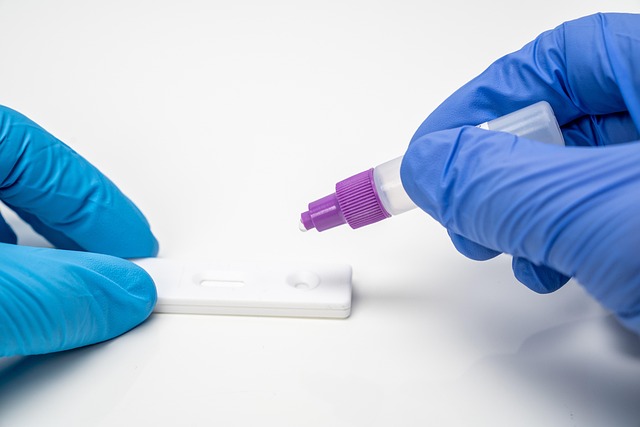
At Auburn University labs, streamlining processes is a constant pursuit to enhance efficiency and productivity. By implementing an efficient laboratory information system (LIS), researchers can significantly optimize their workflow, making tasks like data management, sample tracking, and inventory control seamless. This technological integration not only reduces manual errors but also accelerates the pace of scientific research.
Imagine finding lab work in Fort Wayne-Huntington-Auburn becomes as simple as navigating a user-friendly interface, where every component of a research project is interconnected. This connectivity allows for real-time updates on experiment status, ensuring researchers can allocate resources effectively. Moreover, integrating systems like Huntington University Hospital’s laboratory or even exploring medical laboratory assistant training in Fort Wayne through local job fairs can further bolster the talent pool and innovation within Auburn’s academic community.
Case Studies: Successful Implementation Stories

Many institutions have benefited from the Auburn Laboratory Information System (LIS), showcasing its versatility and effectiveness across diverse sectors. One notable example is the successful implementation at Huntington University Hospital’s laboratory, where the system streamlined workflows and enhanced data management. By integrating with existing processes, the LIS improved efficiency for both clinical and research laboratories, facilitating better patient care and scientific outcomes.
Additionally, fort wayne university research assistants have found the LIS invaluable in managing complex projects. Local laboratory staffing agencies have also embraced this technology, using it to optimize resource allocation and improve placement services. These case studies demonstrate that the Auburn LIS is adaptable to various settings within the Fort Wayne-Huntington-Auburn area, offering tailored solutions for finding lab work and optimizing operations.